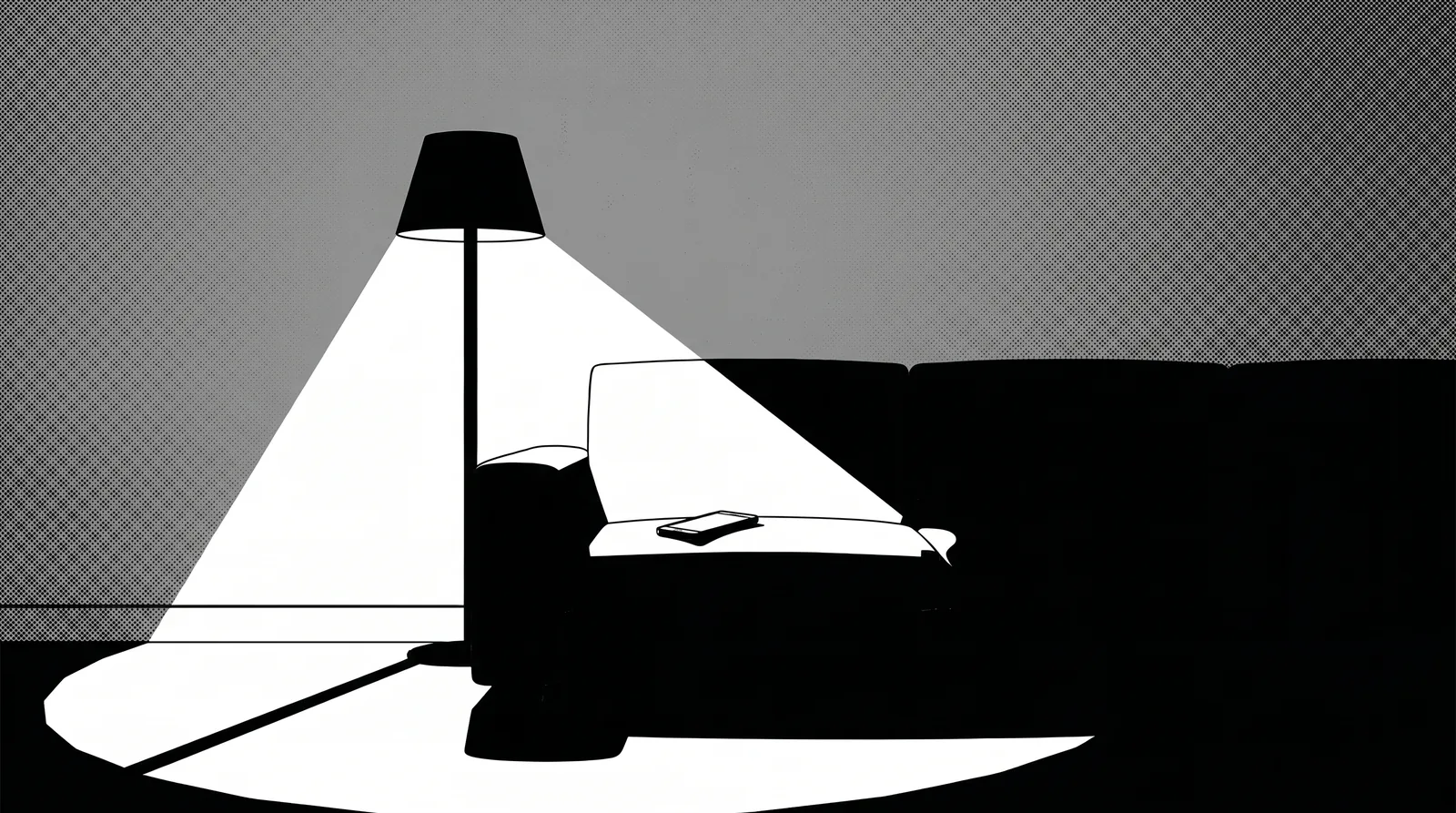
A man goes down a list on a Wednesday night and finds nothing on it that is wrong.
That’s the list. That’s what a life is, isn’t it? Your work, your people, money, and whether anything’s happened to you.
In the spring a man at his work moved away and told nobody until the week before he went. Saying what was wrong with that took one sentence, and everybody agreed.
The tenth of Joseph Butler’s Fifteen Sermons Preached at the Rolls Chapel takes its text from the second book of Samuel: ‘Thou art the man.’ What it describes is ‘confined to the moral character’: what a man cannot see is something he has done, and not something that has happened to him. ‘Though a man hath the best eyes in the world, he cannot see any way but that which he turns them.’
Its province is a duty whose bounds and degrees are not fixed, where nobody can say what commandment was broken. His instance is people who have run out their fortunes and keep no accounts, from a general knowledge that their affairs are bad, and tell you truly they did not think they were so much in debt. Of men who will not go over the particulars of their own life and behaviour he asks: ‘who would choose to be put out of humour with himself?’ The looking can be of the wrong kind too: ‘their Deliberation concerning an Action to be done, or Reflection upon it afterwards, is not to see whether it be right, but to find out Reasons to justify or palliate it; palliate it, not to others, but to themselves.’
His two remedies both start from conduct. ‘Suppose then an enemy were to set about defaming you, what part of your character would he single out?’ The survey shows a man whether he is guilty or innocent in that respect, and Butler leaves both open. The other is to substitute another person for yourself when you survey any part of your behaviour, and in the same paragraph stands the warning: ‘But alas, the Rule itself may be dishonestly applied ...’.
Both are addressed to the man holding the survey, who chooses as well what goes into it.
Left open
Who would be missing from any account we gave of our own life?
How do we know when we are fine?