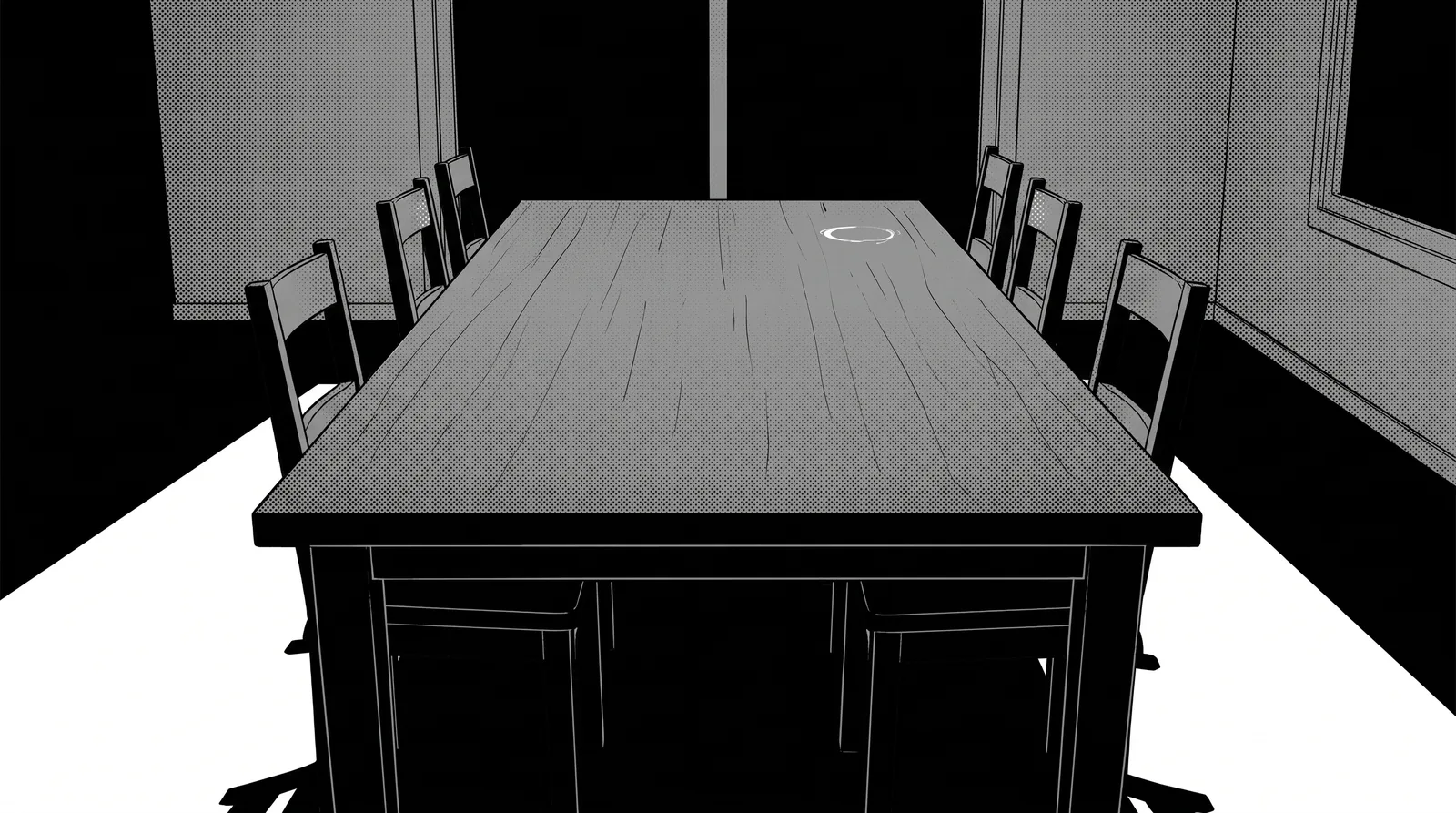
A box of coasters stayed in a sideboard drawer through a dinner for four guests, apart from the one the host slid under his own glass without a word. He was up for the table five times that evening, and asked nobody for anything.
Because you can’t ask people round and then tell them to mind your furniture.
Chapter 12 of Epictetus’s Enchiridion, in W. A. Oldfather’s translation, is addressed to someone who wishes to make progress, and before it comes to anything small it holds that ‘it is better to die of hunger, but in a state of freedom from grief and fear, than to live in plenty, but troubled in mind’. Then: ‘Begin, therefore, with the little things. Your paltry oil gets spilled, your miserable wine stolen; say to yourself, “This is the price paid for a calm spirit, this the price for peace of mind.” Nothing is got without a price.’
What is for sale is a calm spirit and peace of mind. The chapter closes on a person, a boy the man owns: ‘And when you call your slave-boy, bear in mind that it is possible he may not heed you, and again, that even if he does heed, he may not do what you want done. But he is not in so happy a condition that your peace of mind depends upon him.’
Chapter 8, earlier in the book, is about how things fall out: ‘Do not seek to have everything that happens happen as you wish, but wish for everything to happen as it actually does happen, and your life will be serene.’ The companion sets that sentence beside the last line of chapter 12 and draws from the pair a rule for having people in the house.
Left open
What would it take for us to be at ease in our own house?
What else do we want from an evening with people in it?