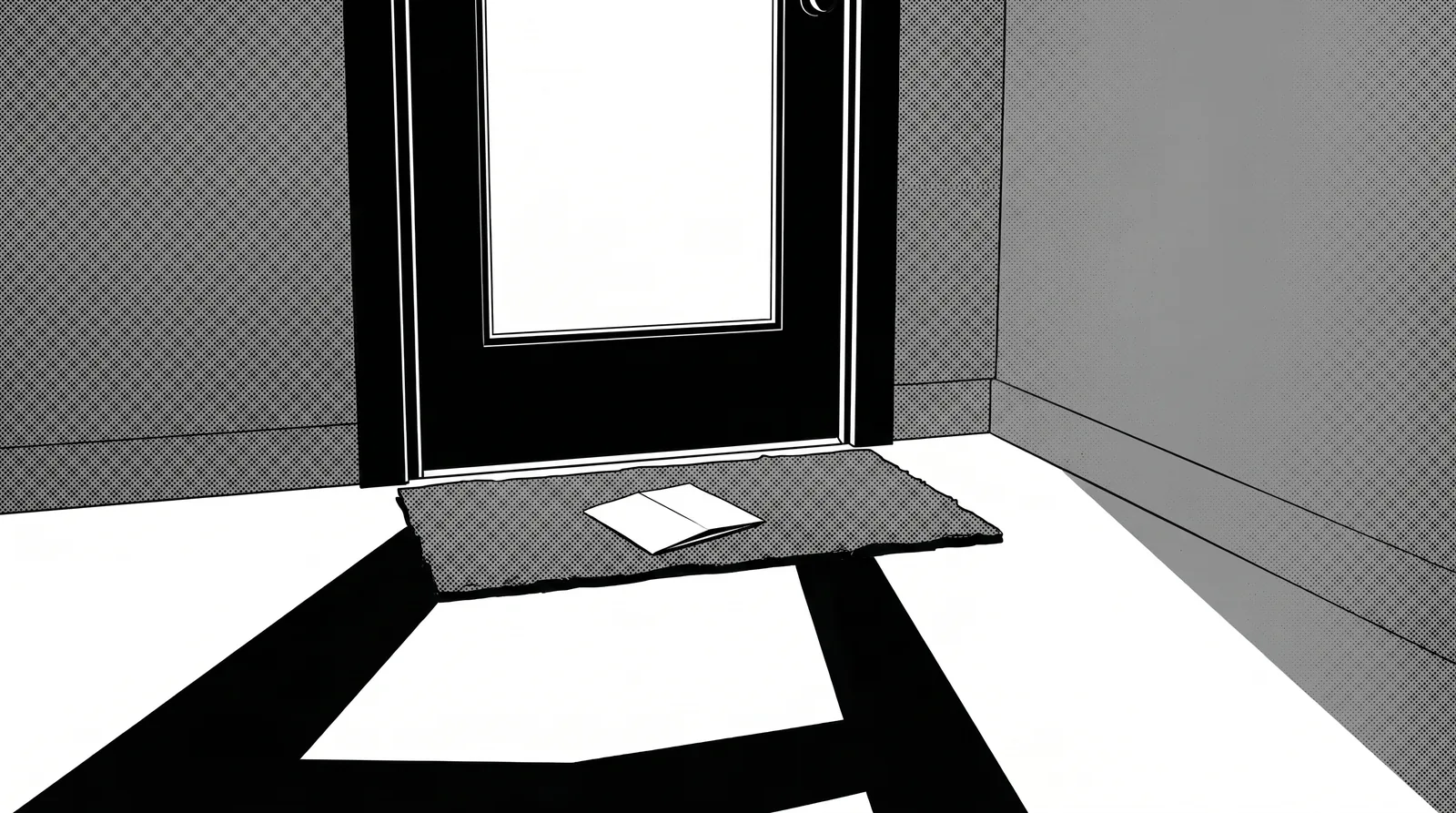
An hour after the mowing stopped, a note came through the door with no name on it:
Did your grass while I had the mower out. No need to thank me.
Since the Monday a bottle has stood on the kitchen counter in the bag it came in, with a card tied round its neck and nothing written on the card. It has been carried to the neighbour’s path once and to its owner’s own gate once, and brought back both times.
Seneca’s De Beneficiis runs to seven books, and it is about receiving benefits as well as giving them. In the fourth he is hard on the man who settles up quickly: ‘he who is too eager to pay his debt is unwilling to be indebted, and he who is unwilling to be indebted is ungrateful’ (IV.40.5). The haste is not faulted because nothing is owed. Taking a thing well is itself a payment, and only the first: ‘He who receives a benefit with gratitude repays the first instalment on his debt’ (II.22.1), and even so, ‘Goodwill we have repaid with goodwill; for the object we still owe an object’ (II.35.1).
What is owed is owed for something nobody can handle. ‘A benefit cannot possibly be touched by the hand; its province is the mind.’ What constitutes a benefit is not gold or silver but ‘merely the goodwill of him who bestows it’ (I.5.2). The companion, with a note in front of it saying why, takes the goodwill off the paper. Seneca gives a book to the manner of a thing: his own model of giving well is a man who hides the help from a friend who was poor and would not say so. ‘Sometimes, too, the very man who is helped must even be deceived in order that he may have assistance, and yet not know from whom he has received it’ (II.10.1). Delicacy and contempt can both decline to knock.
Left open
What is it like to be kind to us?
Whose help could we take, and whose could we not?