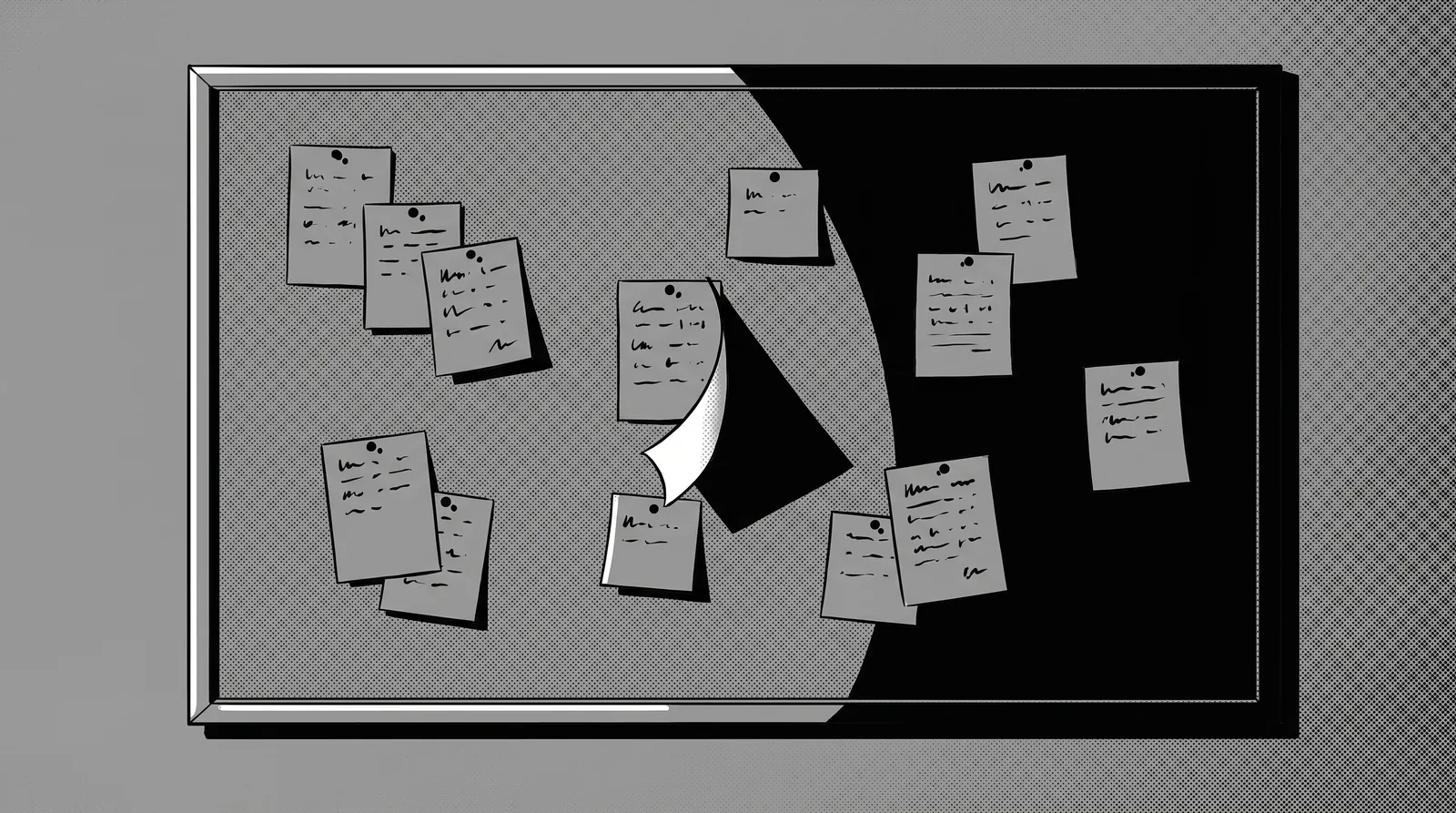
A man buys a chocolate bar every Thursday from a machine by a leisure centre door, on a walk filling the ten minutes he arrives early for. It is usually still in his coat when he gets home. On the way he reads a noticeboard all the way down: aqua aerobics, a watch somebody handed in, nothing he needs.
Blaise Pascal’s Pensées, in W. F. Trotter’s translation as printed in 1910, defends the hunters against their critics before telling them what they do not know. Those ‘who philosophise on the matter, and who think men unreasonable for spending a whole day in chasing a hare which they would not have bought, scarce know our nature’ (p. 53). They have a reply that would silence the critics, and ‘they do not make this reply, because they do not know themselves. They do not know that it is the chase, and not the quarry, which they seek’ (p. 54).
He writes that ‘all the unhappiness of men arises from one single fact, that they cannot stay quietly in their own chamber’ (p. 52), a diagnosis and not a counsel: he looks at once for its reason, and advises nobody to sit anywhere. The reason he finds is the poverty of our mortal condition, which nothing comforts once we think about it closely. A man with enough to live on, ‘if he knew how to stay with pleasure at home, would not leave it to go to sea or to besiege a town’ (p. 52).
Pascal’s own case of it working is a man out after a boar: ‘Whence comes it that this man, who lost his only son a few months ago, or who this morning was in such trouble through being distressed by lawsuits and quarrels, now no longer thinks of them? Do not wonder; he is quite taken up in looking out for the boar’ (p. 56). He is ‘happy for the time’ (p. 56), and the account that takes in his grief takes in a chocolate bar as readily.
Left open
How do we get through the time we have kept clear for ourselves?
What has comforted us that we would rather not have needed?