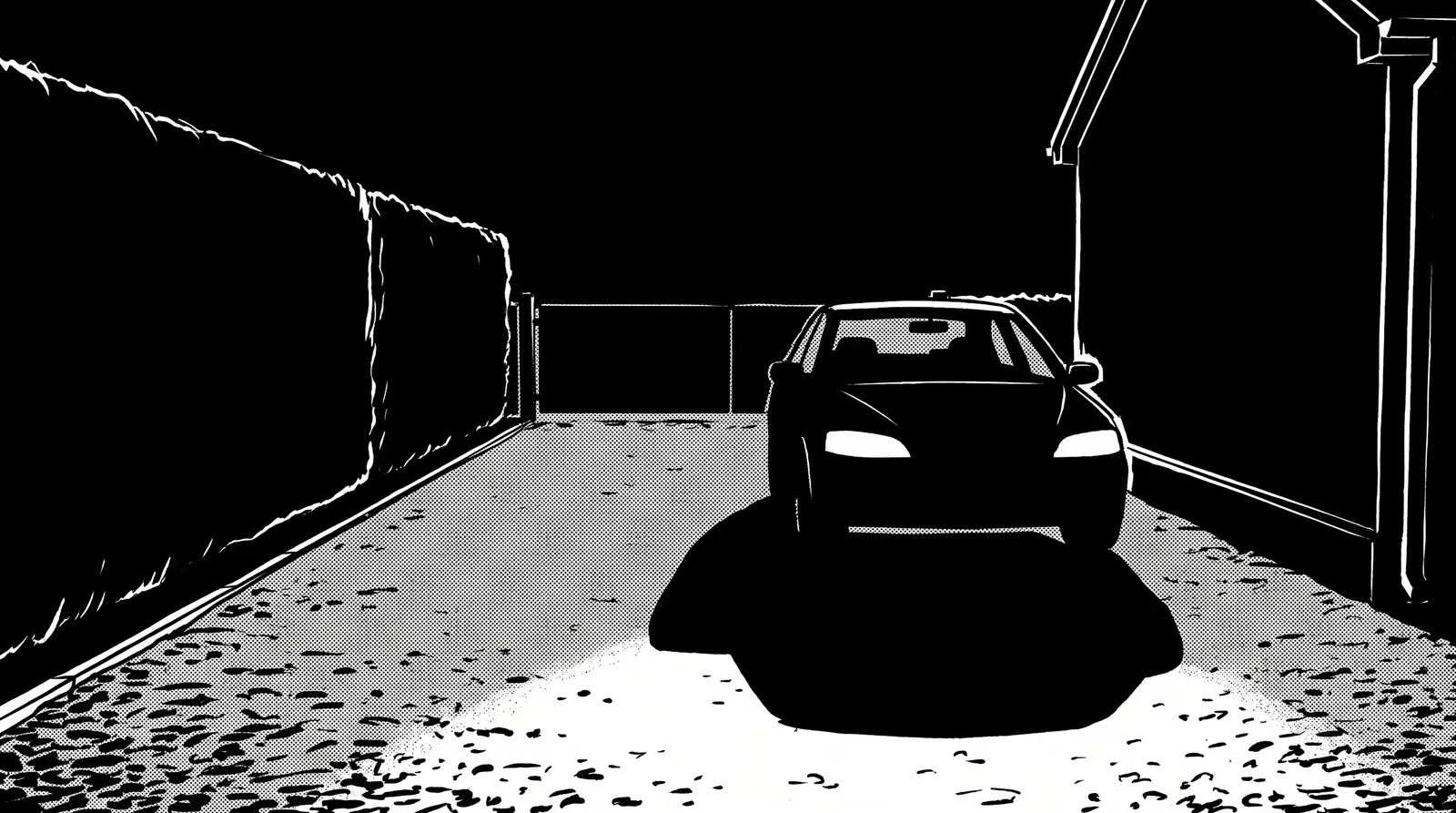
A man looked the length of his car with the torch on his phone, found nothing under it, and reversed over his friend’s cat. Four apologies later she is still telling him it could have been anyone’s car, which he knows is true and which has made no difference.
Bernard Williams, in ‘Moral Luck’, from 1976: ‘The lorry driver who, through no fault of his, runs over a child, will feel differently from any spectator, even a spectator next to him in the cab, except perhaps to the extent that the spectator takes on the thought that he might have prevented it, an agent’s thought’ (p. 124). He calls that feeling agent-regret, and it ‘is by no means restricted to voluntary agency’ (p. 123). Agent-regret about the involuntary is ‘neither mere spectator’s regret, nor (by this definition) remorse’ (p. 126).
Williams expects the comforting: ‘Doubtless, and rightly, people will try, in comforting him, to move the driver from this state of feeling, move him indeed from where he is to something more like the place of a spectator’. Even so, ‘some doubt would be felt about a driver who too blandly or readily moved to that position’ (p. 124). The comforting does not reach his relation to what happened, ‘something which cannot merely be eliminated by the consideration that it was not his fault’.
The feeling may be acted on: ‘The lorry-driver may act in some way which he hopes will constitute or at least symbolise some kind of recompense or restitution, and this will be an expression of his agent-regret’ (p. 124). Yet ‘the willingness to give compensation, even the recognition that one should give it, does not necessarily express agent-regret’ (p. 124).
Left open
What is not over, when everyone agrees we did nothing wrong?
What can we say to anyone else, and never accept when it is said to us?