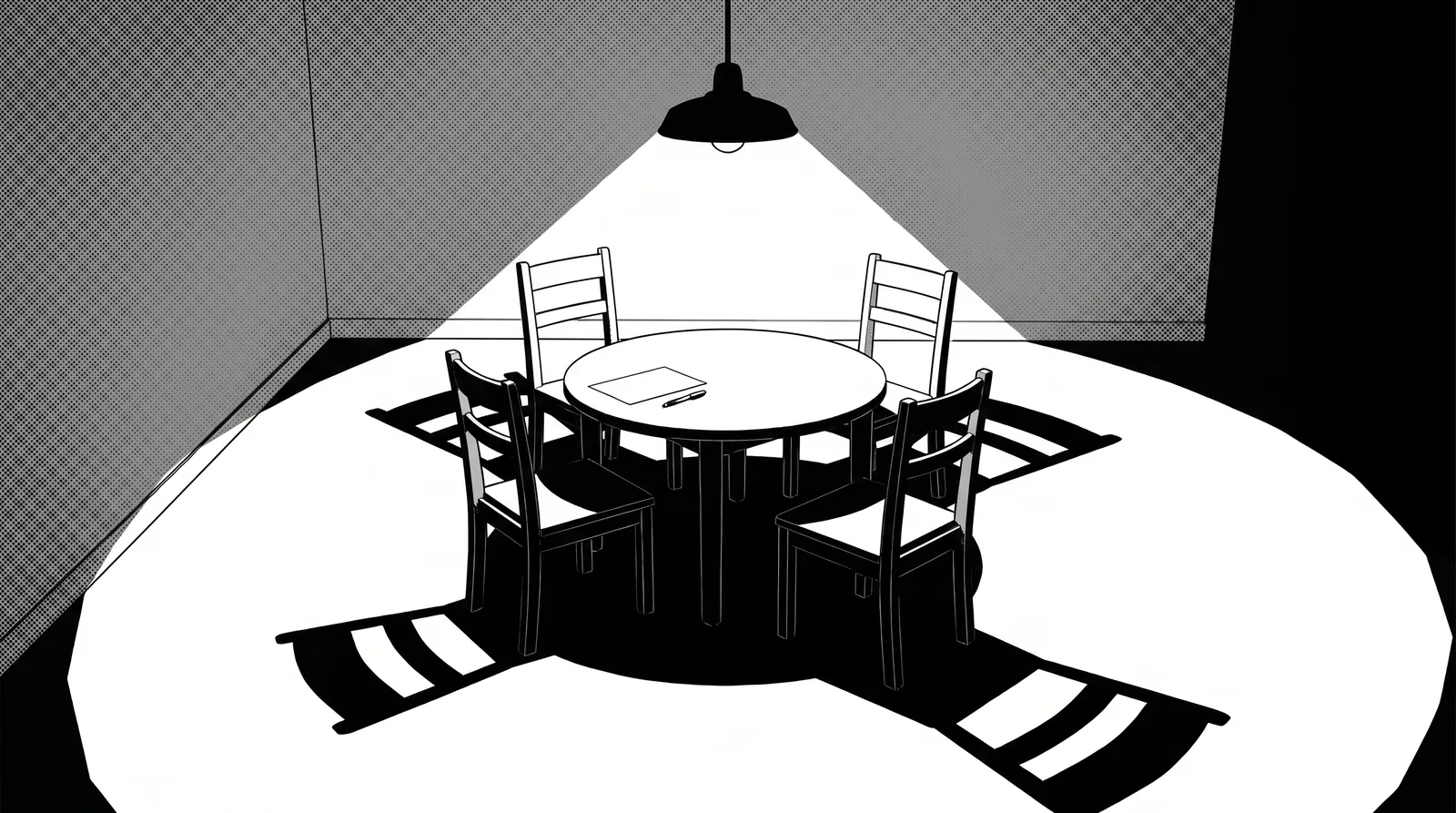
Four people at one table, one answer sheet and one pen between them. The pen sits with the friend because his is the only writing anybody can read, and it is passed to him by the man who minds. At the last question the friend lined out an answer and wrote his own over the top, as he had the two Tuesdays before.
I minded, but not the way I mind now. And it isn’t the point I mind, whatever it sounds like.
The companion brings two of Joseph Butler’s Fifteen Sermons, both preached on the verse that says love your enemies: one on resentment, one on forgiveness of injuries. The first divides the passion into ‘hasty and sudden, or settled and deliberate’, and then will not let that decide it, since ‘hasty, as well as deliberate anger, may be occasioned by injury or contempt’. The settled kind is the one with an object, and the object is ‘injury, as distinct from pain or loss’.
In a feigned story of baseness and villainy the planned harm never lands, and still ‘though the designed injury be prevented, yet that it was designed is sufficient to raise this inward feeling’. Nor does the want of design clear anybody: ‘Men do indeed resent what is occasioned through carelessness: but then that carelessness is considered as faulty.’ What heightens or lessens it is what aggravates or lessens the fault, friendship and former obligations on one hand, inadvertency, strong temptation and mistake on the other.
Butler’s line falls between two men: one who appears only the innocent occasion of another’s pain or loss, and one who has been in a moral sense injurious. Settled resentment is given to the second; against the first it is an abuse. The companion gets Butler’s distinction right, puts two narrow questions, and takes what they clear for the one it never asked.
Left open
Who wronged us, and cost us nothing by it?
What happens in our lives without anybody ever asking us?