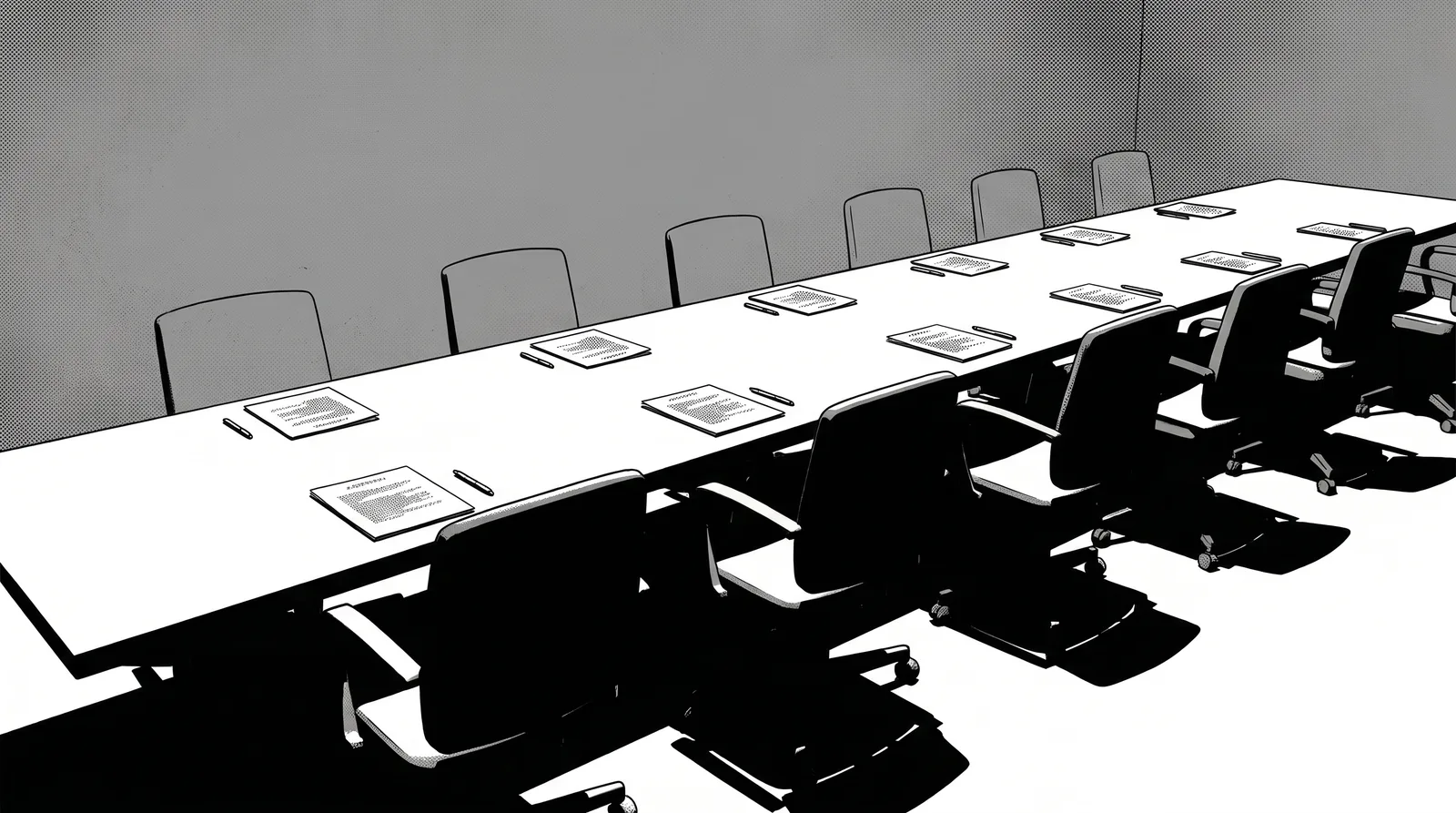
Four seconds, between a manager looking at the wrong person and writing something down. A man in the room could have said it was his, and did not. He has four reasons, and believes all four.
J. L. Austin gave ‘A Plea for Excuses’ as his presidential address to the Aristotelian Society on 29 October 1956. He marks off two kinds of defence: ‘In the one defence, briefly, we accept responsibility but deny that it was bad: in the other, we admit that it was bad but don’t accept full, or even any, responsibility’ (p. 2). The first is a justification and the second an excuse, and by and large, he says, the two can be kept distinct. Four reasons offered for one silence need not be four of the same kind, and some may presuppose what others deny.
‘Deliberately’ and ‘on purpose’ belong, for Austin, with the expressions that aggravate, the opposite numbers of excuses, and on the same page he observes that few excuses get us out of it completely (p. 3). His inadvertence is a failure of supervision, and he is careful to distinguish it from absence of mind: crushing a snail while walking down the public path, the act done in the course of another without ‘such meticulous supervision ... as would have been needed’, which places it in ‘a class of incidental happenings which must occur in the doing of any physical act’ (p. 18). Such a plea can be true and still be refused: the snail, but not a baby (p. 20).
It does not pay, he says, to assume that a word has a single opposite, and ‘inadvertently’ is one of his examples (pp. 17–18). A numbered heading later in the address asks: ‘What modifies what?’ (p. 26). It opens on a judge who, Austin says, does not make clear what event is being excused in what way, and a description may take in ‘a smaller or a larger stretch of events’ (p. 27). Austin’s gloss on ‘deliberately’ is that ‘when you act deliberately you act after weighing it up’ (p. 28).
Left open
Who is carrying something of ours without knowing it?
When we finally have the right word for what we did, what is it worth to the person we did it to?